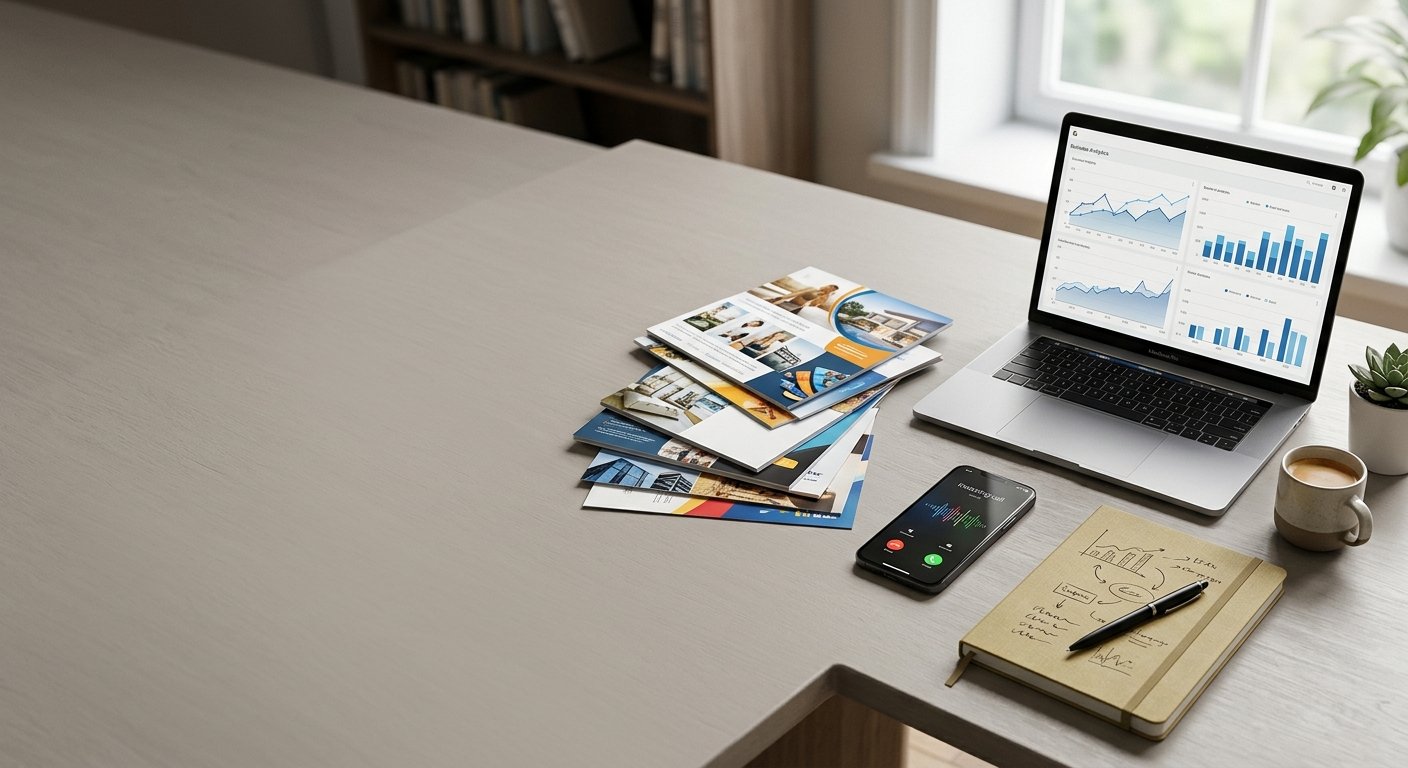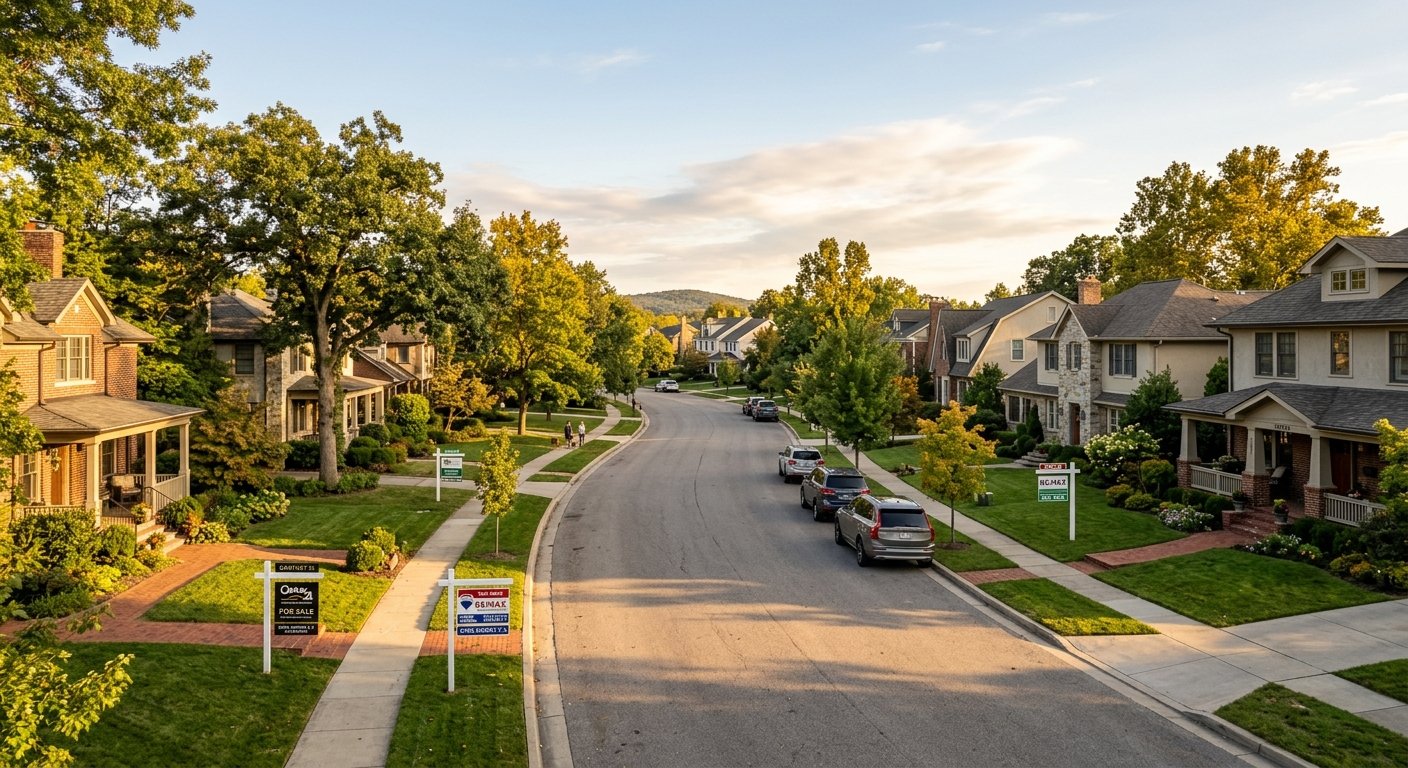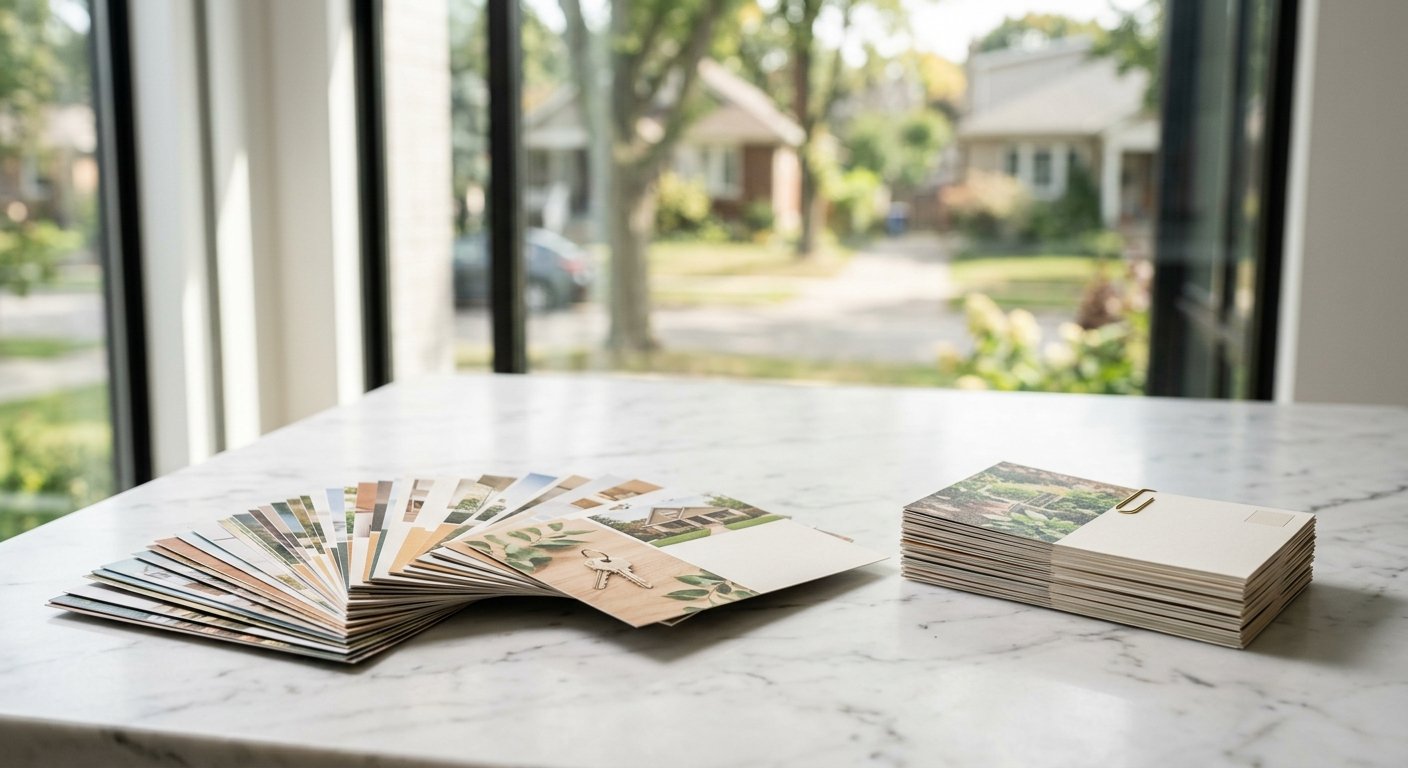

Postcards still work. In a world of overflowing inboxes and banner-blind scrollers, a well-designed postcard lands in a prospect’s hand with zero competition. According to the U.S. Postal Service, direct mail achieves a household response rate of up to 9% for house lists — numbers most digital channels can’t touch. But those results don’t come from any postcard. They come from the right postcard — the right size, the right message, the right list.
This guide breaks down every standard postcard size, when to use each one, and the design and strategy best practices that separate campaigns that generate calls from ones that get recycled on the way through the front door.
Why Postcard Size Actually Matters
Size isn’t vanity — it’s strategy. The dimensions of your postcard determine how much creative space you have, what USPS rate category it falls into, whether it qualifies for EDDM, and critically, whether it gets noticed in a stack of envelopes. Bigger is often better for first impressions, but oversized doesn’t always mean better ROI. Matching size to campaign objective is the move.
Standard Postcard Sizes: A Complete Breakdown
4″ × 6″ — The Classic Postcard
This is the smallest standard format and the most economical to print and mail. It qualifies for First-Class postcard rates (currently among the lowest USPS offers). Best used for:
- Appointment reminders (dental, medical, automotive service)
- Thank-you cards and review requests
- Short-run promotions with a single offer and clear CTA
The trade-off: limited design space. A 4×6 demands tight copy — one headline, one offer, one action. If your message needs room to breathe, go bigger.
5″ × 7″ — The Sweet Spot for Many Campaigns
Slightly larger than the classic, the 5×7 gives you more design real estate without a dramatic cost jump. It stands out in a mailbox without overshooting your budget. This size works well for:
- Seasonal contractor promotions (HVAC tune-ups, pest control, landscaping)
- New patient or new client acquisition for local service businesses
- Event invitations and open houses
6″ × 9″ — The Real Estate Standard
Ask any experienced real estate agent what size their farming postcards are, and most will say 6×9. There’s a reason. This format is large enough to showcase a property photo or neighborhood map, include meaningful market stats, and still keep per-piece costs manageable. It’s a workhorse for:
- Just-listed and just-sold real estate postcards
- Geographic farming campaigns targeting 300–1,000+ homes
- Contractor door-hanger alternatives for mailing
- Local business awareness campaigns
The 6×9 also meets USPS EDDM minimum size requirements, making it eligible for Every Door Direct Mail saturation campaigns at approximately $0.20–$0.25 per piece (rates are approximate and subject to USPS updates).
6.5″ × 11″ — The High-Impact Mailer
When you need to make a bold impression, the 6.5×11 delivers. This is the format for agents launching a new farm territory, contractors entering a new service area, or any business that wants to dominate the mailbox. More space means:
- Room for multiple selling points or property listings
- Larger photos that create emotional resonance
- A QR code, call-tracking number, and a URL without things feeling crowded
This size also qualifies for EDDM and is one of the most popular formats for Every Door Direct Mail campaigns. The cost per piece is slightly higher than a 6×9, but so is the visual authority it carries.
6.5″ × 12″ — Maximum Mailbox Presence
The largest standard format in the EDDM-eligible range. At this size, you’re not competing in the mailbox — you’re dominating it. Ideal for:
- Grand opening announcements
- Multi-service contractor campaigns (roofing + gutters + windows)
- Premium real estate listings or luxury market farming
Use this when the visual impact justifies the additional print cost and when your message genuinely needs the space.
EDDM Size Requirements: What You Need to Know
Every Door Direct Mail is one of the most cost-effective ways to blanket a neighborhood — no address list required. But USPS has specific requirements to qualify for EDDM retail rates:
- Minimum size: 6.125″ × 11″ (length + height combined must exceed 10″)
- Maximum size: 15″ × 12″
- Minimum thickness: 0.007″
- Maximum weight: 3.3 oz
This means the 4×6 and 5×7 formats don’t qualify for EDDM — but the 6×9, 6.5×11, and 6.5×12 all do. If you’re a contractor mailing a carrier route of 500 homes or a local business saturating a neighborhood, EDDM is typically your most efficient option on a cost-per-household basis.
At Shop Direct Mail, we handle EDDM setup from carrier route selection through drop-off, so you don’t have to decode USPS specifications yourself.
Design Best Practices That Drive Response
Lead With One Clear Offer
The biggest design mistake businesses make is trying to say everything. Postcards are not brochures. Your recipient gives it three to five seconds. One headline. One offer. One action. “Free AC Tune-Up — Call Before September 30.” Done.
Use Real Photos, Not Stock Clichés
For real estate agents, an actual photo of a recently sold home in the neighborhood crushes any generic house graphic. For contractors, a before-and-after job photo builds credibility instantly. People respond to familiar, real imagery.
Include Multiple Response Paths
Different people prefer different ways to respond. Give them options:
- A trackable phone number (call-tracking tools like CallRail let you measure calls by campaign)
- A QR code linking to a dedicated landing page
- A short, memorable URL
These aren’t just convenience features — they’re your ROI tracking infrastructure. Without them, you’re mailing blind.
Don’t Bury Your Headline
The headline should be readable from arm’s length. Most people sort mail standing over a recycling bin. Your headline is doing the heavy lifting. Make it benefit-driven and specific: “3 Homes Sold in [Neighborhood] This Month” beats “Experienced Local Realtor.”
White Space Is Not Wasted Space
Cluttered postcards feel cheap. Breathing room signals confidence and professionalism. This is especially important for real estate and financial services businesses where perceived credibility influences whether someone calls.
Postcard Marketing Strategy: Making It Work Over Time
One postcard is a business card. A consistent postcard series is a farming campaign. The data consistently shows that response rates improve with repetition — most real estate farming campaigns need a minimum of six months before meaningful lead flow develops. A prospect might see your postcard three times before they’re “warm” and four times before they pick up the phone.
According to the Association of National Advertisers’ DMA Response Rate Report, direct mail response rates for prospect lists typically range from 0.5% to 2%, while house lists and warm audiences often perform significantly higher. For a contractor mailing 500 homes per month with a $2,000 average job value, even a 1% response rate on a single drop can produce meaningful revenue — and frequency multiplies that effect.
At Shop Direct Mail, we help businesses build mailing calendars that align with seasonal demand, buying cycles, and campaign objectives — not just send one-off pieces and hope for the best.
Choosing the Right Size for Your Business Type
- Real estate agents: 6×9 for monthly farming; 6.5×11 for listing launches and market reports
- HVAC, plumbing, roofing contractors: 6×9 or 6.5×11 via EDDM by carrier route
- Local service businesses (fitness, dental, automotive): 5×7 for targeted list campaigns; 6×9 for neighborhood saturation
- Grand openings or major campaigns: 6.5×12 for maximum visual impact
Frequently Asked Questions
What postcard size gets the best response rates?
Larger formats like the 6×9 and 6.5×11 typically outperform smaller cards in head-to-head tests because they’re harder to overlook. That said, the best response rate comes from matching size to campaign objective — a 4×6 reminder card to an existing customer can outperform a 6.5×11 sent to a cold list if the targeting is precise.
What postcard sizes qualify for EDDM?
USPS EDDM requires a minimum size of 6.125″ × 11″ (the combined length and height must exceed 10″). The most popular qualifying formats are 6×9, 6.5×11, and 6.5×12. Standard postcard sizes like 4×6 and 5×7 do not qualify for EDDM retail rates.
How do I track whether my postcard campaign is working?
Use a unique call-tracking number, campaign-specific QR code, dedicated landing page URL, or promo code on each postcard. These tools let you attribute inbound calls and web visits directly to your mail campaign. USPS also offers Informed Delivery, which lets you see delivery confirmation data.
How often should I mail postcards to the same neighborhood?
For real estate farming, monthly is the standard — and most agents should plan on at least six months before expecting consistent lead flow. For contractors, quarterly seasonal drops plus storm or event-triggered mailings work well. Consistency is more important than frequency; showing up regularly builds recognition and trust.
Is direct mail postcard printing expensive?
Per-piece costs vary by size, quantity, and mailing method, but EDDM campaigns can run as low as approximately $0.20–$0.25 per piece in postage alone, with total costs including design, printing, and mailing typically ranging from $0.50 to $1.00+ per piece at volume. When you factor in the value of a single converted lead — a real estate commission, a roofing job, a new patient — the math often works in direct mail’s favor.
Ready to Launch Your Next Postcard Campaign?
Whether you’re a real estate agent building a farm, a contractor entering a new service area, or a local business ready to get off the digital hamster wheel, the right postcard — right size, right message, right list — can generate measurable results you can actually track.
Shop Direct Mail handles strategy, design, list acquisition, printing, and mailing under one roof. No juggling vendors. No USPS headaches. Just campaigns built to work. Explore our postcard marketing options or reach out to talk through your next campaign.

About Shop Direct Mail Marketing
Shop Direct Mail is a full-service direct mail marketing partner for real estate agents, contractors, and local service businesses nationwide. We provide end-to-end strategy, design, list acquisition, printing, and mailing services that help small and medium-sized businesses cut through digital clutter with tangible, measurable campaigns. Our focus is on ROI-driven tactics like real estate farming, EDDM saturation, just-listed/just-sold postcards, and neighborhood prospecting that generate leads and customers business owners can track. Visit shopdirectmail.com →